
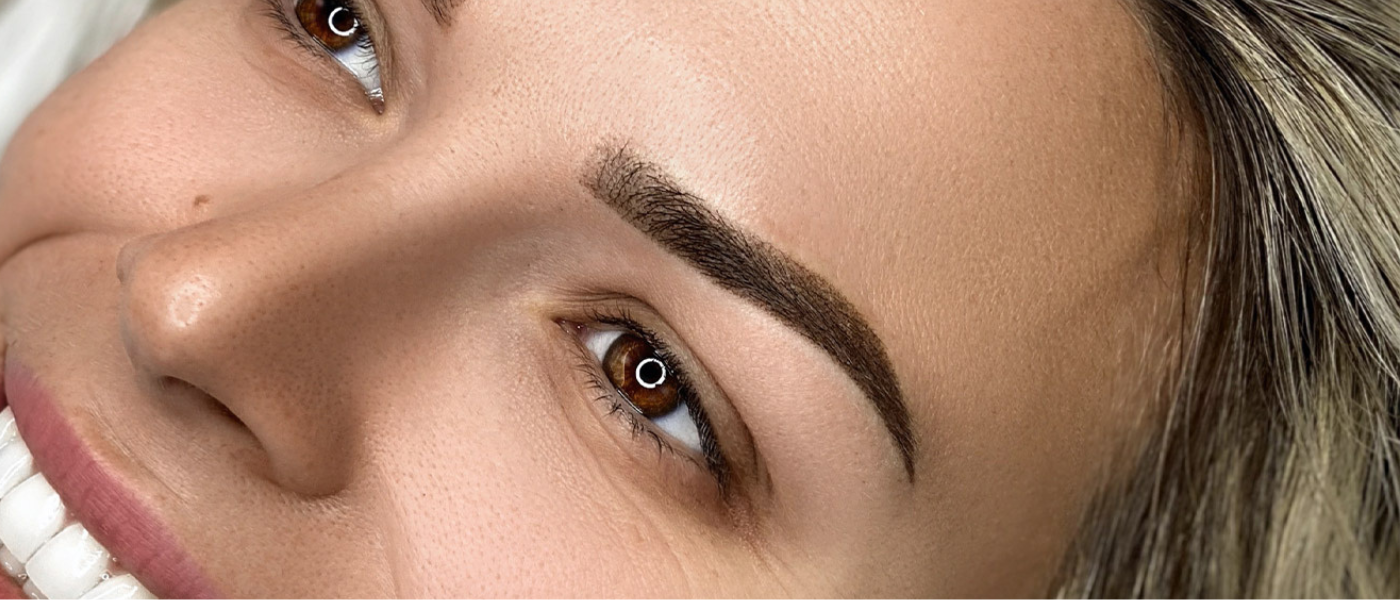
Some individuals approach makeup with excitement after their procedure, while others feel nervous because healing skin can behave unpredictably. Light redness, mild swelling, or tiny scabs may appear, and this creates hesitation about brushes, products, and timing. According to our editor’s research, people often underestimate how long the skin needs to stabilize. The healing period depends on skin type and the specific technique used. As a result of our editor’s reviews, even small mistakes can irritate the area, so gentle choices matter more than usual. Understanding simple rules helps prevent discomfort and protects the final brow shape.
Why does the skin behave differently after a brow procedure?
The skin becomes more sensitive because it has been shaped, stimulated, and worked on by tools. Healing cells respond actively, which makes the area react strongly to certain products. Redness may appear with minimal pressure, and dryness may increase because the skin tries to repair itself. According to our editor’s research, even people with normally resilient skin can experience temporary fragility. Natural oils may shift as the skin barrier rebuilds. This explains why makeup application requires more care than usual. The goal is keeping irritation away while letting the skin breathe comfortably. Soft handling becomes essential because the area needs space to recover.
When is it safe to start applying makeup again?
Most people should wait several days before applying makeup directly around the brows. The exact timing depends on healing speed, which varies from person to person. Some people heal quickly, while others require more patience. As a result of our editor’s reviews, applying makeup too early can interfere with healing because pigments and particles may enter sensitive tissue. Even powder products can cling to small scabs. Waiting until the area feels smooth and calm is safer. The rest of the face can often receive makeup earlier as long as brushes stay clean. The brows should remain untouched until the surface looks stable.
How should makeup tools be handled after the procedure?
Clean brushes and sponges become more important because bacteria can irritate healing skin. Using freshly washed tools reduces risk and helps prevent redness. According to our editor’s research, many people forget to clean their tools before the first makeup session after a brow treatment. Old powder and residual oils can cause sensitivity. Soft brushes work best because harsh bristles may disturb delicate areas. Applying gentle pressure helps the skin remain comfortable. Keeping specific brushes only for post-procedure use can reduce contamination. A slow, careful approach protects the healing brows while keeping makeup application pleasant.
Which makeup textures are safest during recovery?
Lightweight and breathable textures suit healing skin better than heavy formulas. Creamy products may feel soothing, but they can also migrate toward the brows more easily. Powder products offer lighter coverage but can create dust that settles on sensitive skin. As a result of our editor’s reviews, choosing products that stay in place and avoid movement toward the brow line is essential. Oil-based items may soften protective skin layers, so moderation helps. Gentle, minimal formulas support comfort while allowing the skin to continue healing. The goal is enhancing appearance without disturbing the treated area.
How can foundation be applied without affecting the brows?
Foundation should be applied with soft strokes, keeping a small buffer zone around the brow line. Avoid dragging product over healing skin because friction can disrupt new tissue. According to our editor’s research, tapping motions work better than sweeping motions after brow procedures. A damp sponge can help control coverage and prevent buildup. Many people prefer applying foundation first and then gently blending near the brows without touching them. This method reduces accidental pressure on delicate areas. A slow, steady technique maintains makeup quality while preserving brow healing.
What eye makeup techniques help protect the brow area?
Eye makeup should be applied carefully because the brow sits close to the lid. Powders can travel upward when blending, especially during fast movements. As a result of our editor’s reviews, using controlled motions reduces fallout and keeps sensitive areas clean. Soft pencils create less dust than loose shadows. Cream shadows offer better stability if applied lightly. Mascara should be applied with gentle movements to avoid shaking powder toward the brow line. The goal is keeping the brow area untouched while still enjoying regular eye makeup. Slow, conscious application helps maintain comfort.
Why is product placement important after brow enhancement?
Product migration can occur when the skin feels warm or slightly oily. Certain formulas move upward and settle on fresh brows. According to our editor’s research, people often apply highlighter too close to the brow bone and forget that healing skin may absorb small particles. Keeping bright products away from the treated zone prevents irritation. Cream highlighters can slide toward the brows during the day. Powder highlighters can fall as dust. Strategic placement maintains a polished look without disturbing healing. A safe distance creates balance between beauty and comfort.
Should brows be concealed or corrected with makeup during healing?
Brows should generally remain untouched during the early healing phase. Concealers and brow pencils can clog the skin or interact with healing pigments. As a result of our editor’s reviews, people feel tempted to adjust small imperfections, but patience gives better long-term results. Letting the brow color settle naturally supports a cleaner healing process. If redness appears around the brows, only the surrounding skin can receive very light product. The brows themselves should remain clean. Once healed, soft correction becomes possible without concern.
How can makeup be removed safely at the end of the day?
Gentle removal supports smoother healing and keeps irritation low. Avoid scrubbing the brow area, especially during the first days. According to our editor’s research, many people rub their brows out of habit, forgetting that healing skin needs minimal friction. Makeup removers should stay away from the brows until the surface feels stable. The rest of the face can be cleaned normally with gentle motions. Using soft cotton pads and light pressure protects the treated zone. The goal is ending the day with clean skin while keeping the brows undisturbed.
What emotional factors influence post-procedure makeup choices?
Many people feel excited to see their new brows, but the temporary healing effects can create frustration. Slight redness or fading may cause worry, leading some to overuse makeup. As a result of our editor’s reviews, simple routines reduce stress because the skin feels supported rather than pressured. Trusting the healing process helps individuals stay calm. Makeup becomes a tool for comfort rather than concealment. As confidence grows, people appreciate the gradual improvement. The emotional journey shapes makeup habits as much as physical healing.
How should someone decide the best approach for their routine?
Choosing the right makeup style depends on personal comfort, skin sensitivity, and healing speed. Some individuals prefer very minimal makeup to avoid risk. Others continue their routine with adjustments. According to our editor’s research, understanding your own skin makes the process easier. Light, simple looks usually work better during early recovery. Planning makeup movements ahead of time prevents sudden mistakes. Small changes create big differences in comfort and appearance. The goal is maintaining a balanced routine while respecting the healing brows.