
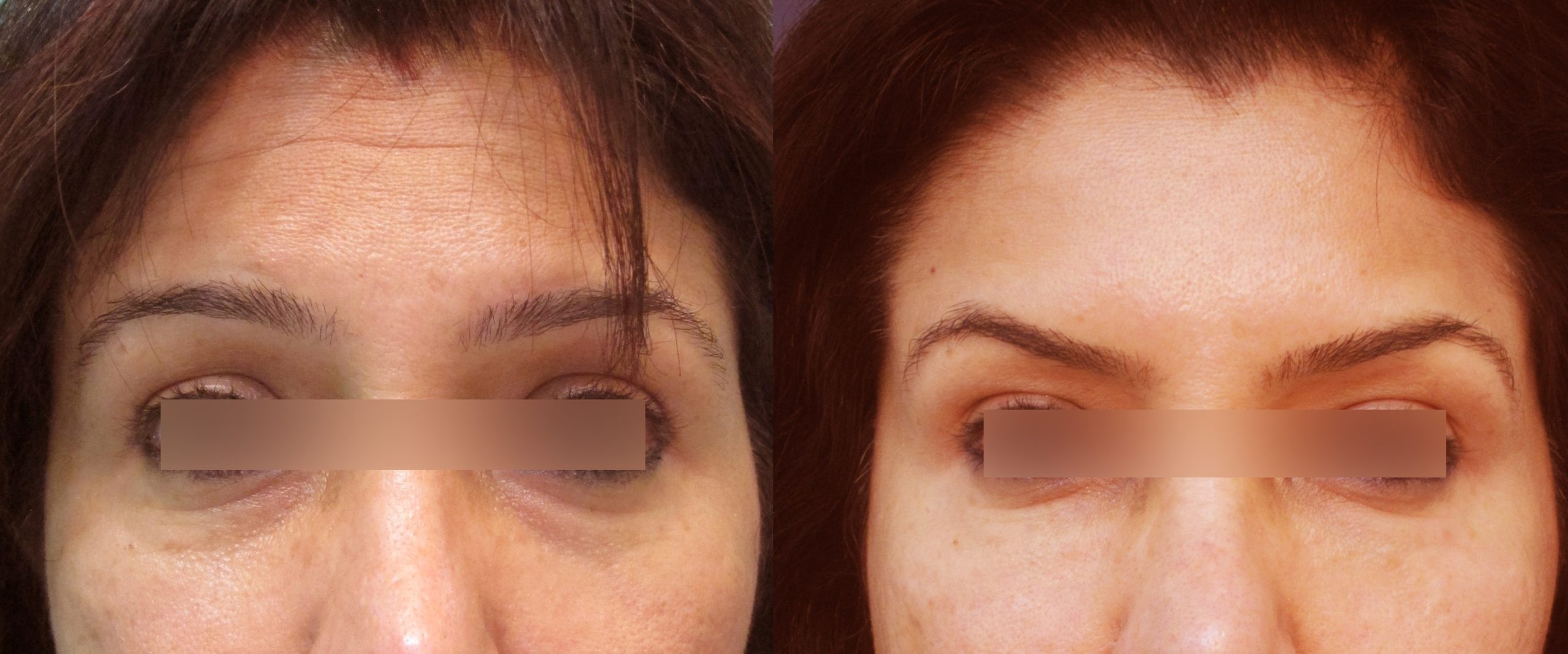
You may have wondered how a brow lift influences the way your face communicates because even small adjustments around the eyes can shift emotional messages. Many people first notice a difference while speaking in the mirror and observing how certain expressions feel slightly different. According to our editor’s research, these early moments of awareness usually happen during casual routines rather than at medical appointments. This makes the topic both personal and relatable, especially for individuals who rely heavily on expression-based communication. Exploring these changes helps you understand what feels natural and what develops gradually.
Why do expressions change after a brow lift?
Expressions change because the brow region plays a critical role in emotional signaling. The lift alters the resting position of the eyebrows, which influences how others interpret your expressions instinctively. According to our editor’s reviews, even minor elevation shifts can soften or sharpen emotional cues. Swelling contributes to temporary stiffness during early recovery. People often describe a gentle feeling of tightness around the upper face. This period eventually normalizes as tissues adjust.
What happens during the early healing period?
Early healing often creates subtle changes in movement patterns. Many individuals describe difficulty raising their brows fully during the first weeks. According to our editor’s research, this is usually due to expected swelling. Expressions may appear slightly slower or less flexible at first. The feeling typically improves as swelling subsides. People find that expressions feel more natural once tightness reduces.
How does swelling influence emotional cues?
Swelling can soften expressions temporarily by limiting subtle eyebrow movement. According to our editor’s reviews, this creates a calm or neutral appearance that some individuals interpret as unusual. This effect becomes less visible as healing progresses. Emotional cues gradually return to balance. People describe this phase as a transition rather than a limitation. Swelling reduction improves expressiveness steadily.
Why do some expressions feel different?
Some expressions feel different because the lift adjusts underlying tissues. According to our editor’s research, raising the brows may feel smoother or more supported. The new position influences how muscles engage during speech or laughter. People describe expressions feeling slightly elevated during early stages. These sensations normalize once healing stabilizes. The brain adapts to the new muscle behavior naturally.
What changes in the appearance of surprise?
The lifted brow position enhances the appearance of surprise by widening the upper eye area. According to our editor’s reviews, this effect looks more refreshed rather than exaggerated. People often appreciate the brighter expression it creates. The eyes appear more open, making emotional cues easier to read. This shift becomes more natural as swelling decreases. The final result appears balanced.
How does the look of worry change?
Worry-related expressions depend heavily on brow position. According to our editor’s research, the lift reduces downward pulling that often creates a tired look. As a result, worry may appear less intense or more subtle. People appreciate the softer emotional tone. The forehead appears smoother during concerned expressions. This change often supports a more relaxed appearance.
What happens to frowning movements?
Frowning becomes less prominent due to reduced tension in the central brow area. According to our editor’s reviews, individuals notice fewer deep lines during frown attempts. The expression feels smoother but still functional. People often feel less pressure between the brows. Over time, movement patterns stabilize. Frowning remains possible but less exaggerated.
Why does the face appear more relaxed?
The lifted brow position lightens the heaviness found in the upper face. According to our editor’s research, this creates a naturally relaxed look even without active expression. The forehead appears smoother in rest. People describe feeling more refreshed throughout the day. This relaxed appearance becomes one of the most appreciated changes. Emotional communication becomes more balanced.
How do smiling expressions change?
Smiling expressions may appear brighter because the lifted brows open the upper face. According to our editor’s reviews, many individuals feel their smiles look more harmonious. The eyes appear more engaged during emotional moments. This enhances the warmth and clarity of joyful expressions. The effect remains subtle but meaningful. People notice improved symmetry.
What happens during laughter?
Laughter engages multiple facial muscles, including the brow region. According to our editor’s research, post-lift laughter feels somewhat different initially due to early tightness. Over time, the sensation becomes more natural. The brow remains elevated, creating an open and expressive appearance. People describe enjoying the energetic look. Emotional expression remains strong.
How does the lift affect communication?
Communication relies on micro-expressions that signal intention and emotion. According to our editor’s reviews, a brow lift enhances clarity by smoothing the upper face. People describe feeling more present when speaking. Emotional cues appear cleaner and easier to read. The lifted appearance supports attentive communication. This change helps interactions feel more engaging.
Why do people feel more confident?
Confidence increases because refreshed expressions align better with how individuals feel internally. According to our editor’s research, people appreciate the reduction in tired or tense appearance. The lifted brows create a youthful expression that matches emotional energy. Many describe improved comfort in social settings. Confidence builds as expressions feel more natural. This alignment enhances communication.
What changes become noticeable in photographs?
Photographs capture subtle details that may be difficult to see in motion. According to our editor’s observations, lifted brows appear smoother and more symmetrical in images. The eyes look more open, and the forehead appears brighter. People often feel more photogenic after healing. These improvements influence how they view themselves online and in print. The effect adds clarity.
How does lighting influence post-lift appearance?
Lighting highlights the openness of the upper face. According to our editor’s research, the lifted brow reflects more even shadows across the forehead. This reduces the appearance of downward heaviness. The eyes look more awake in natural light. People notice improved balance in photographs. Lighting enhances overall expression quality.
Why do expressions look more symmetrical?
Symmetry improves because the lift adjusts uneven brow positions. According to our editor’s reviews, natural asymmetries often reduce significantly. The brows settle into more balanced alignment. People appreciate the subtle harmony this creates. Symmetry strengthens emotional clarity. Balanced expressions appear more refined.
How does blinking behavior change?
Blinking remains natural, but the openness around the eyes becomes more noticeable. According to our editor’s research, individuals describe feeling lighter around the eyelids. This creates a fresher look during conversations. Blink patterns remain stable as healing progresses. The effect supports expressive clarity. People enjoy the refreshed feeling.
Why do some people worry about stiffness?
Fear of stiffness is common during early recovery. According to our editor’s reviews, tension usually comes from swelling rather than surgical change. This sensation improves as tissues relax. People describe returning to normal expressions gradually. Stiffness fades naturally without intervention. Emotional expressiveness returns fully.
When do expressions feel normal again?
Most people regain full expression within several weeks. According to our editor’s research, healing speed varies based on swelling and tissue behavior. Movements become smoother as tightness reduces. Expressions feel natural once muscle balance stabilizes. People appreciate the gradual shift. Full expressiveness returns predictably.
How can you support healthy expression recovery?
Gentle facial movement helps maintain flexibility. According to our editor’s reviews, avoiding aggressive activity supports healing. Hydration benefits skin elasticity. Practitioners recommend simple routines for comfort. People feel improvement with steady habits. Healthy recovery enhances expressive quality.
Why is emotional awareness important after surgery?
Emotional awareness helps you adjust to new facial cues. According to our editor’s research, individuals may reinterpret their own expressions. Observing yourself calmly helps build familiarity. This awareness makes communication feel smoother. People gain confidence as they learn new patterns. Emotional comfort increases over time.